
Vulnerability Scanning for SOC 2 Compliance: The Ultimate Guide for SaaS Indie Founders Written on . Posted in Informational.
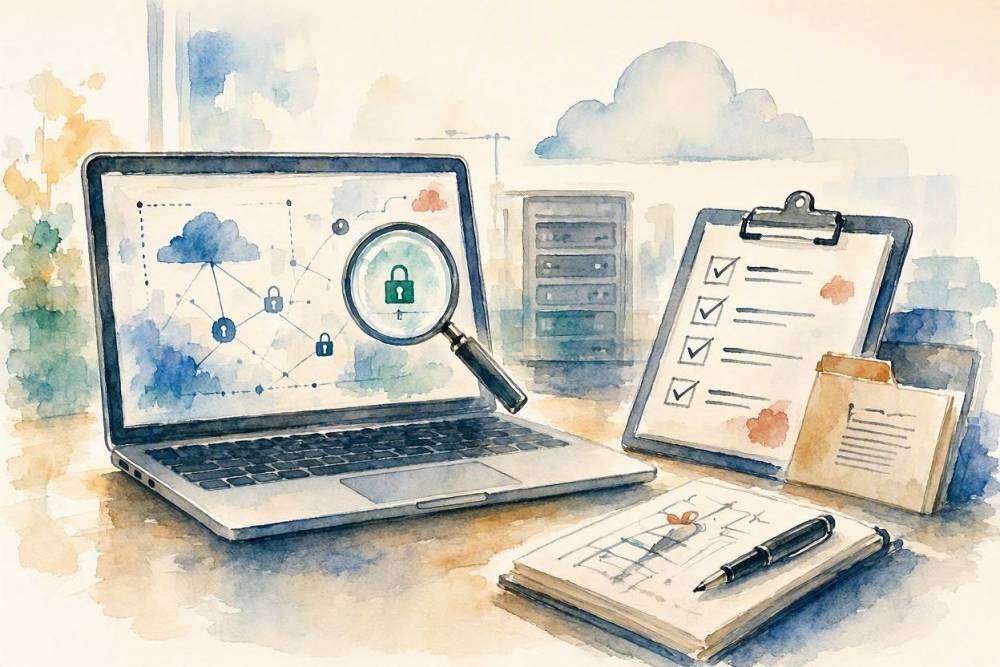
Why SOC 2 Matters for Indie SaaS Founders
SOC 2 (System and Organization Controls 2) is the gold standard for security compliance among SaaS companies. Built around five Trust Services Criteria - Security, Availability, Processing Integrity, Confidentiality, and Privacy - it proves to enterprise buyers that you handle their data securely.
For indie founders, achieving SOC 2 is often the single biggest unlock for moving up-market. It shifts your target market from small businesses with modest budgets to mid-market and enterprise clients with deep pockets and high contract values (ARR growth).
The Two Pillars: Internal vs. External Vulnerability Scanning
Auditors do not just want to see that you scanned your app once; they want to see continuous, systematic risk identification. Specifically, SOC 2 requires a dual approach: external and internal vulnerability scanning.
1. External Vulnerability & Application Scanning
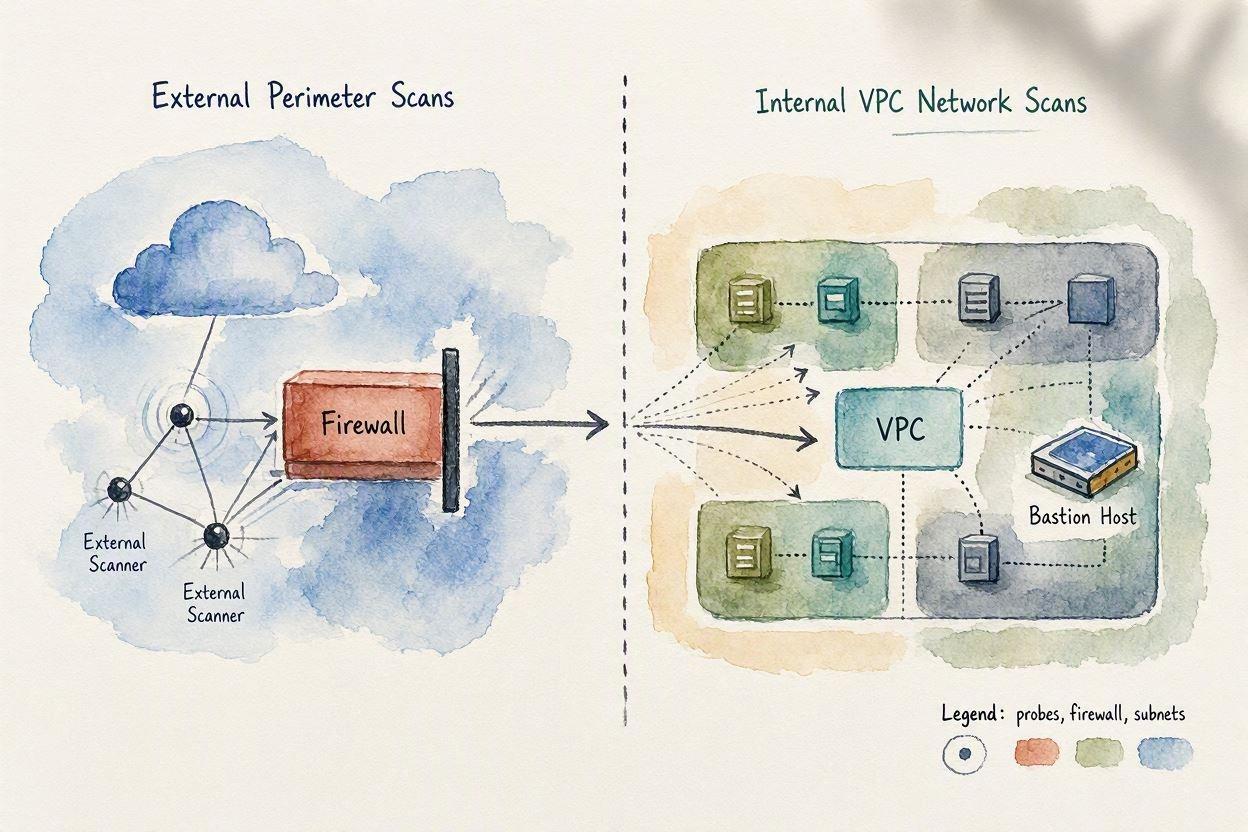
External scanning focuses on your internet-facing assets - your web application (App), APIs, domain records, and public-facing server ports. Attackers outside your network see what automated tools see: open ports, misconfigured TLS certificates, SQL injection flaws, Cross-Site Scripting (XSS), and unpatched web frameworks.
Under SOC 2 (specifically control criteria like CC7.1), you must demonstrate that you regularly scan these perimeters to identify potential vulnerabilities before malicious actors exploit them.
2. Internal Network Vulnerability Scanning
Many indie founders ask: "We are entirely serverless / cloud-hosted on AWS or GCP, do we even have an 'internal network'?"
The auditor's answer is a resounding yes. Your internal scope includes your virtual private cloud (VPC) configurations, container registries, internal microservices, bastion hosts, and even employee laptops managed via Mobile Device Management (MDM). Internal scanning looks for lateral movement risks, misconfigured security groups, and outdated internal packages.
How Vulnerability Scanning Feeds Your SOC 2 Audit
When your auditor arrives, they will ask for artifacts. Having automated vulnerability scanners running in the background provides three vital pieces of evidence:
- Scan Reports: Periodic PDF or JSON exports showing that scans ran weekly or monthly.
- Remediation Logs: Proof that high-severity findings were triaged and patched within defined SLAs (e.g., Critical bugs fixed within 7 days).
- Policy Integration: Documented standard operating procedures (SOPs) linking your vulnerability management tool to your engineering workflow (like Jira or GitHub issues).
Actionable Steps for Indie Founders
You do not need an enterprise budget or a dedicated security team to handle this. Here is how you can set up compliance-ready scanning today:
- Automate App & Infrastructure Scans: Integrate modern automated vulnerability scanners into your CI/CD pipeline and cloud environment.
- Set Clear SLAs: Document your vulnerability response policy (e.g., Critical = 7 days, High = 30 days, Medium = 90 days).
- Track Everything: Ensure every scanner alert automatically creates a trackable ticket in your project management tool with assigned ownership.
- Prepare for Pen Testing: Remember that automated scanners complement, but do not replace, annual third-party penetration testing—another mandatory checkbox for SOC 2 Type II.
Conclusion
Compliance doesn't have to be a soul-crushing distraction from building your product. By implementing automated internal and external vulnerability scanning early, you protect your SaaS from catastrophic breaches, satisfy strict enterprise buyers, and sail through your SOC 2 audit with confidence.