
OWASP DAST vulnerability
scanning
Dynamic Application Security Testing (DAST) with hosted ZAP finds OWASP Top 10 issues in running web apps - authenticated and unauthenticated - for SOC 2 evidence and ASVS runtime verification from $25/month.
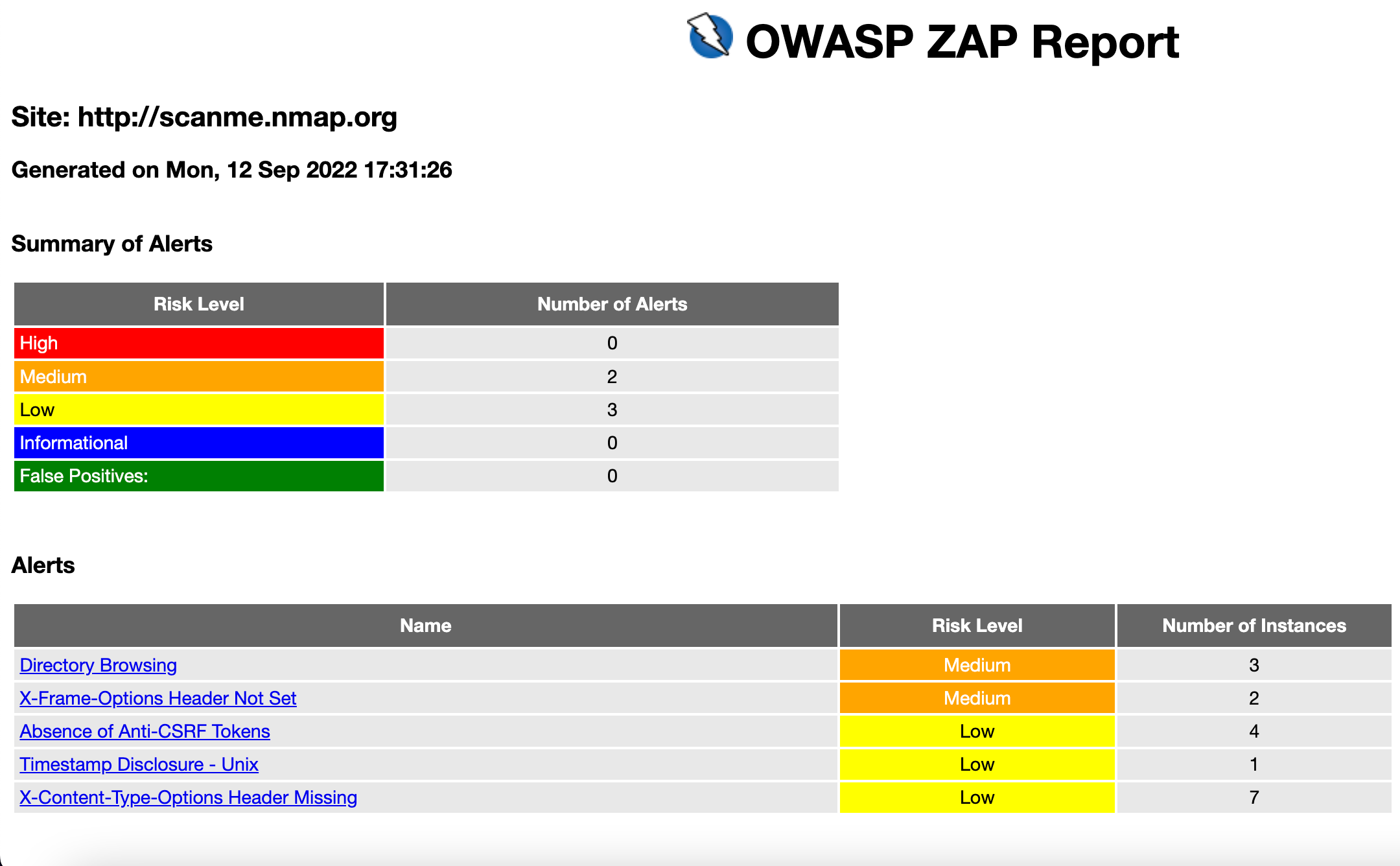
Industry Standard Scanner
ZAP Vulnerability Scanner
Our hosted ZAP scanner tests web applications for issues like SQL injection, XSS, and CSRF. Both unauthenticated and authenticated scanning modes are supported so you can cover public pages and content behind login forms.
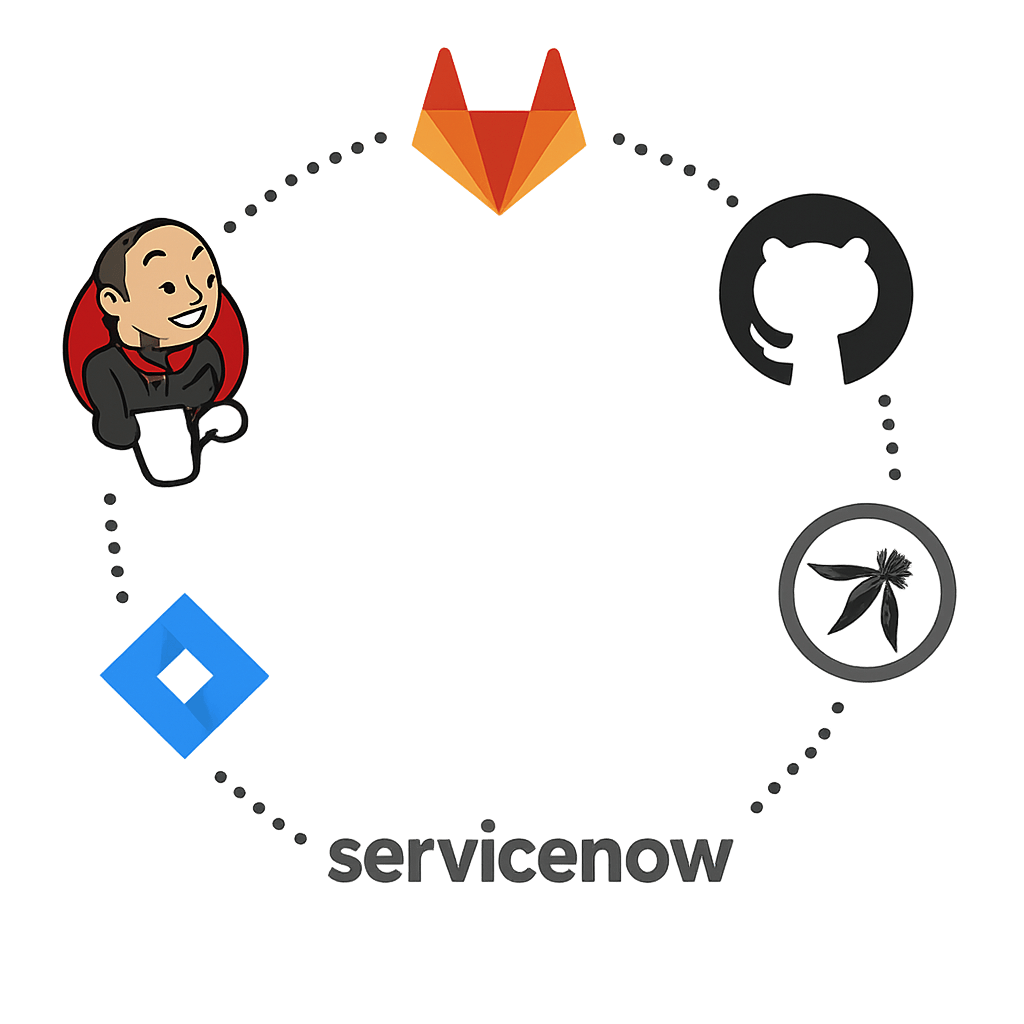
Seamless Integration
Built for Development Teams
Integrate security scanning into your CI/CD pipeline with our API-first approach. Automate DAST as part of your development workflow alongside separate SAST and dependency scanners in CI.
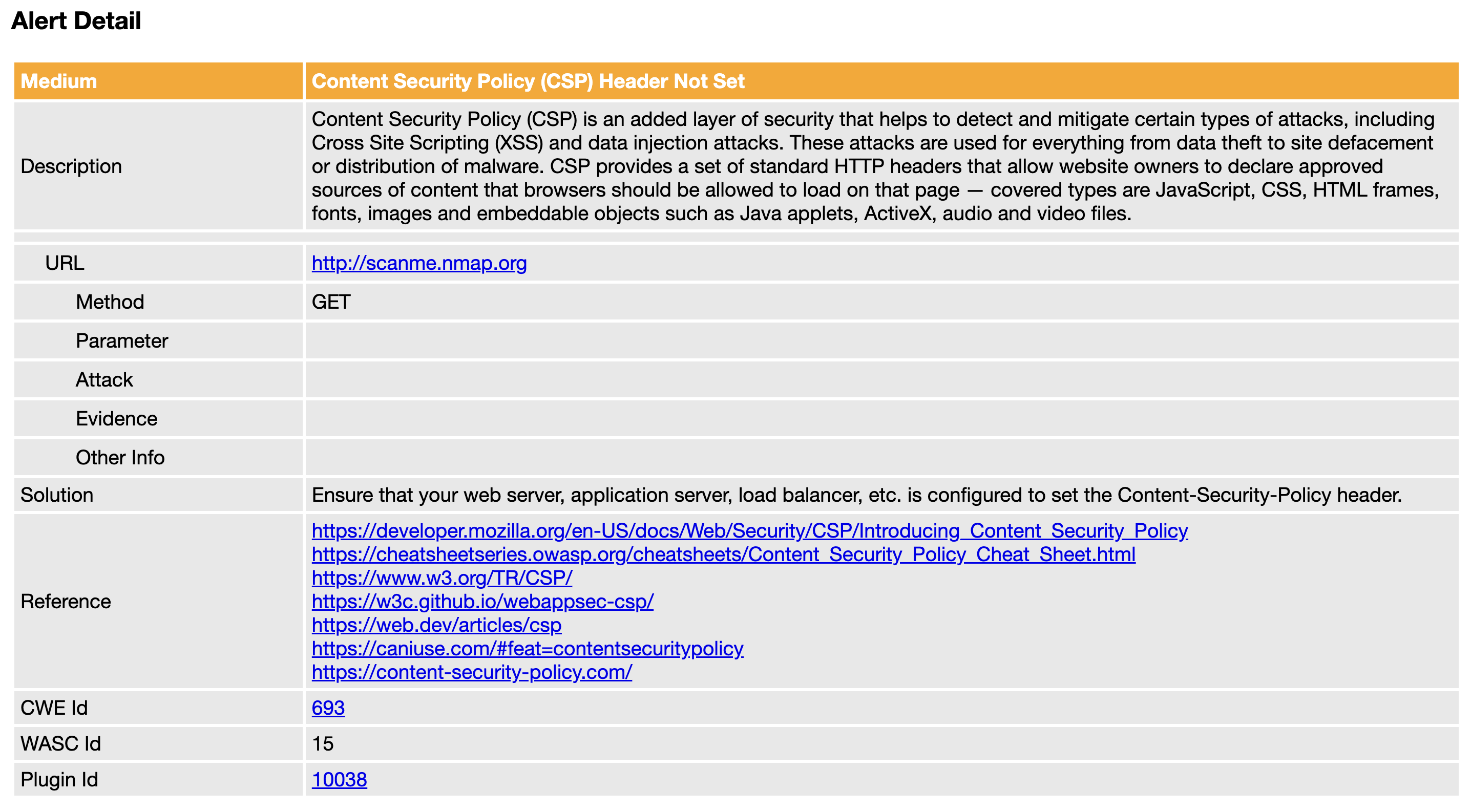
Actionable Security Reports
Prioritize and Fix Issues
Get detailed vulnerability reports with clear remediation steps, severity ratings, and proof-of-concept examples so your team can understand impact and fix issues efficiently.
DAST, SAST, and dependency scanning
OWASP ASVS and modern AppSec programs usually combine multiple testing types. Here is how Panoptic Scans fits.
| Capability | What it tests | Panoptic Scans |
|---|---|---|
| DAST | Running web apps (OWASP Top 10, runtime ASVS checks) | Yes - hosted ZAP |
| Network VM | Hosts, ports, services, known CVEs | Yes - OpenVAS, Nmap, Nuclei |
| SAST | Source code defects | Not in-product - use CI SAST tools |
| Dependency / SCA | Vulnerable libraries and packages | Not in-product - use CI SCA tools |
See the full OWASP ASVS vulnerability scanning page for verification-level guidance.

Frequently Asked Questions
How does Panoptic Scans relate to OWASP ASVS?
OWASP ASVS defines application security verification requirements across levels. Panoptic Scans supports runtime verification with hosted ZAP DAST (authenticated and unauthenticated). SAST and dependency/SCA scanning are not included in-product and are typically handled by CI tools.
What is the difference between DAST, SAST, and dependency scanning?
DAST tests a running application from the outside (Panoptic Scans via ZAP). SAST analyzes source code. Dependency scanning (SCA) finds vulnerable libraries. A complete ASVS program often uses all three; Panoptic Scans focuses on DAST plus network vulnerability scanning.
How does DAST scanning help with SOC 2 compliance?
DAST scanning helps meet SOC 2 Security and Availability trust service criteria by showing that you identify and address application vulnerabilities. Authenticated scans provide deeper coverage behind login forms for auditors.