
OWASP ASVS vulnerability scanning with runtime DAST
Support OWASP Application Security Verification Standard programs with hosted ZAP DAST and network scanning - clear about what automated runtime testing covers and what still needs SAST, SCA, or manual review.
ASVS coverage: capability table
A complete ASVS program usually combines multiple testing types. Here is where Panoptic Scans fits.
| Capability | What it verifies | Panoptic |
|---|---|---|
| DAST (runtime) | Running web apps - OWASP Top 10 / runtime ASVS checks | Yes - hosted ZAP |
| Network VM | Hosts, ports, services, known CVEs | Yes - OpenVAS, Nmap, Nuclei |
| SAST | Source code defects | Not in-product - use CI SAST |
| Dependency / SCA | Vulnerable libraries and packages | Not in-product - use CI SCA |
| Penetration testing | Human-led, point-in-time assessment | Not replaced - complementary only |
DAST application scanning · SOC 2 network scanning · Pricing
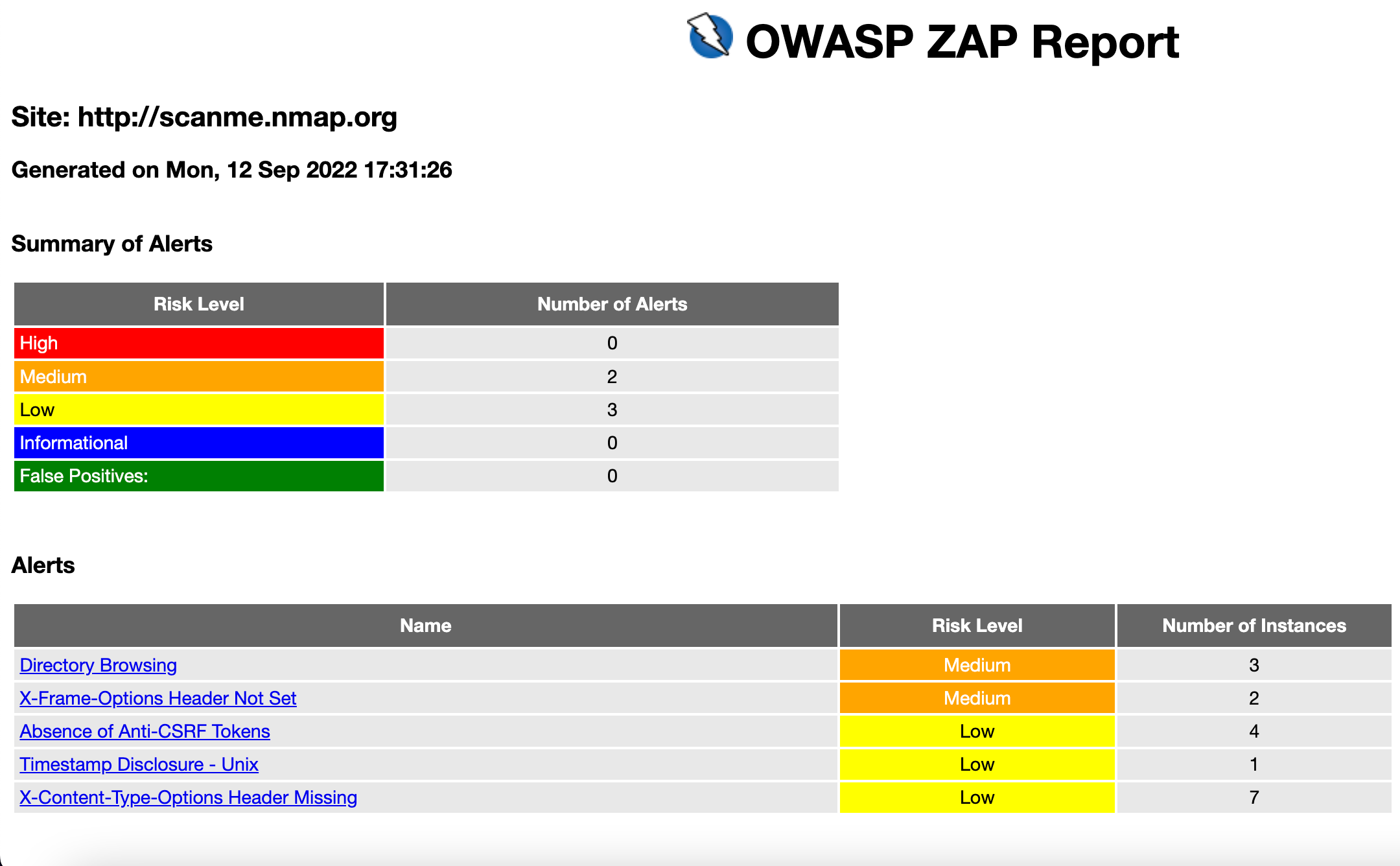
Runtime verification
Hosted ZAP for ASVS-relevant checks
Authenticated and unauthenticated ZAP scans exercise the running application - injection, XSS, CSRF, and related issues visible from the outside. Schedule scans to keep verification evidence current as the app changes.
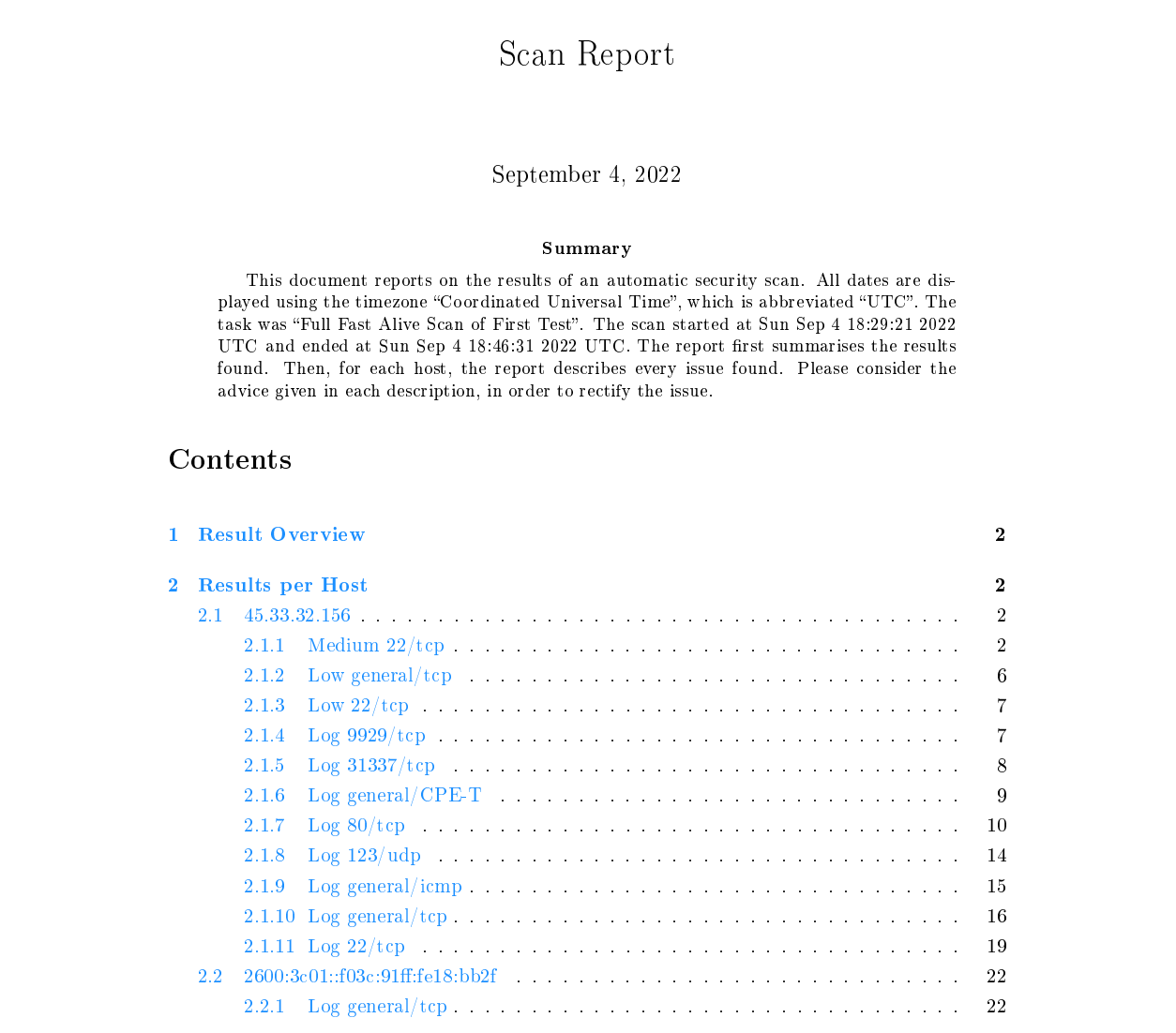
Infrastructure context
Network scanning alongside the app
ASVS is application-focused, but auditors and customers often expect host and service visibility too. OpenVAS, Nmap, and Nuclei cover the perimeter supporting your web apps.
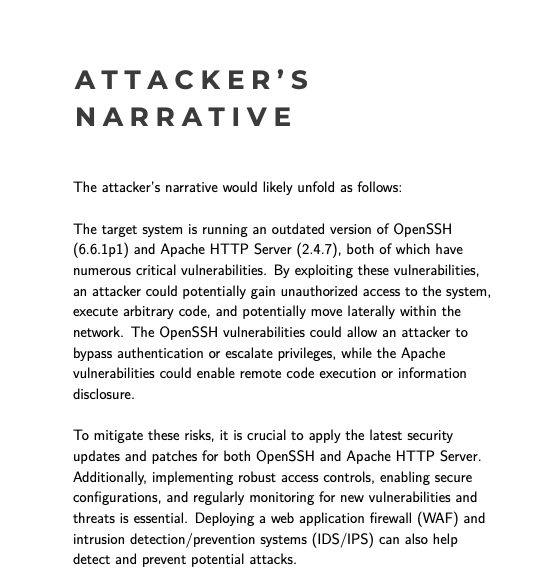
Prioritization
Attack narratives and remediation
Findings include severity, remediation guidance, and attack narratives so teams can prioritize fixes. Use scheduled scans and optional Vanta upload for continuous SOC 2 evidence - not as a substitute for a full ASVS Level 2/3 manual assessment.

Start runtime ASVS-aligned scanning today.
ZAP DAST + network VM from $25/month.
Frequently asked questions
How does Panoptic Scans support OWASP ASVS?
OWASP ASVS defines verification requirements across levels. Panoptic Scans supports runtime verification with hosted ZAP DAST (authenticated and unauthenticated) plus network vulnerability scanning via OpenVAS, Nmap, and Nuclei. SAST and dependency/SCA are not in-product.
Which ASVS areas can automated DAST cover?
DAST is strongest for runtime checks related to injection, authentication/session issues discoverable from the outside, misconfigurations exposed over HTTP, and similar OWASP Top 10 classes. Many ASVS requirements still need code review, architecture review, or manual testing.
Does Panoptic Scans include SAST or SCA for ASVS?
No. Static analysis and dependency scanning should be handled by CI tools. Panoptic Scans focuses on DAST and network vulnerability management.
Is ASVS scanning the same as a penetration test?
No. ASVS is a requirements framework; scanning is automated evidence against some of those requirements. Penetration testing remains a separate, human-led assessment.
How does this relate to SOC 2?
Runtime DAST and network scans produce timestamped evidence useful for SOC 2 CC7 vulnerability identification and monitoring. See our SOC 2 and DAST pages for mapping details.
Scan a URL, IP, or hostname
Enter a target and an email address. We'll send a findings report.